Unlocking Unique Style with Anon Font
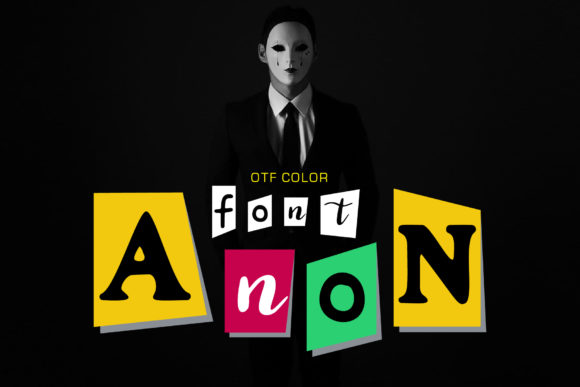
In the search for a typeface that truly breaks the mold, designers and creators often find themselves cycling through the same geometric sans serifs and elegant serifs. While those workhorses have their place, they rarely inject the raw, tangible energy that a project sometimes demands. This is where Anon enters the conversation. It is not merely a set of letters; it is a collection of visual textures. The aesthetic is immediately recognizable: letters that look as though they have been meticulously cut from vintage newspapers, tabloids, and glossy magazines. This "ransom note" style is elevated into a sophisticated display font, offering a tactile quality that digital screens often lack.
The personality of Anon is gritty, authentic, and unapologetically bold. Unlike a standard sans serif font that offers uniformity, Anon provides variety within its own character set. Each letter carries the grain of paper and the imperfections of physical printing, giving your text a sense of history and reality. It bridges the gap between the digital and physical worlds, making it an exceptional premium font for projects that need to feel grounded and immediate. It moves away from the sterile perfection of modern vector graphics, offering a handcrafted vibe that resonates with audiences looking for something real.
The Power of Color Fonts in Modern Design
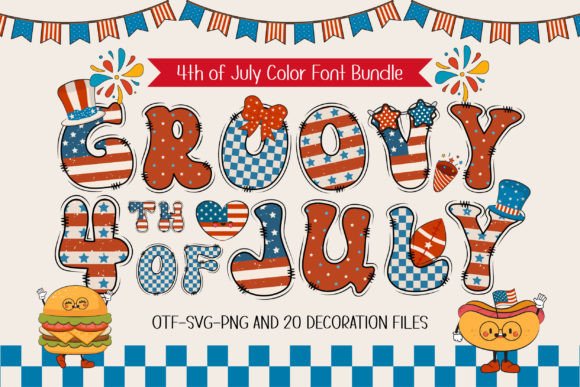
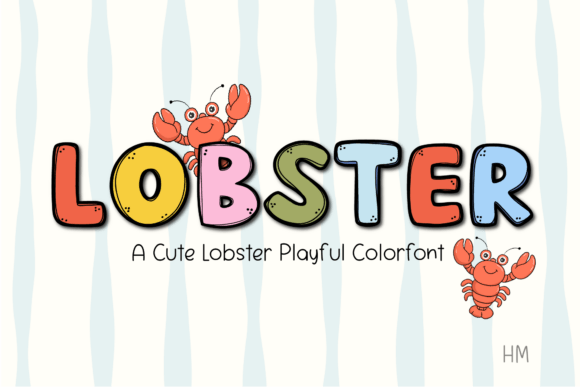
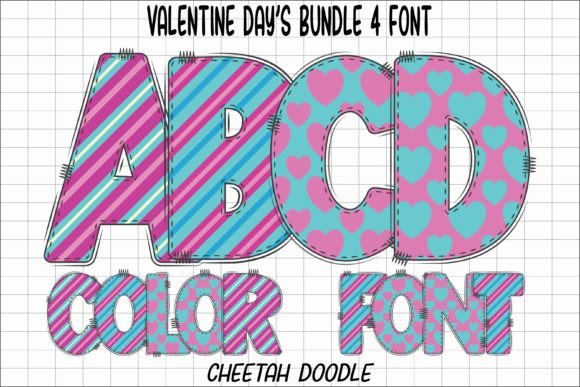
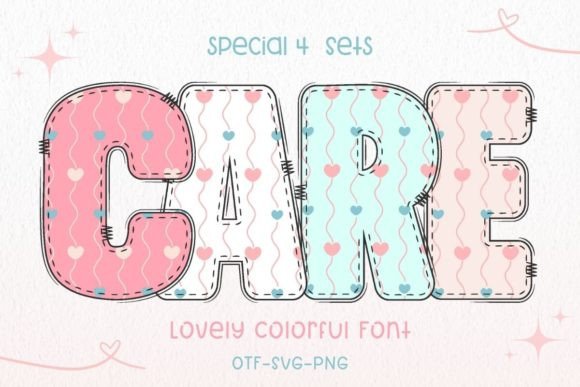
One of the most critical technical aspects of Anon is its format. It is an OpenType-SVG, commonly known as a color font. This technology allows the font file to contain vector shapes with gradients, textures, and multiple colors embedded directly into the glyph. When you type with Anon, you aren't just getting a solid black shape; you are placing a textured, colored image of a letter onto your canvas. This capability fundamentally changes the workflow for logo design, packaging design, and social media graphics. It removes the need for complex clipping masks or overlay effects to achieve a distressed, mixed-media look.
For professionals using software like Adobe PhotoShop, Adobe Illustrator, Silhouette, and Inkscape, this font opens up new creative avenues. It allows for rapid prototyping of concepts that previously required hours of manual editing. However, it is vital to understand the compatibility requirements. Because the texture and color data are complex, Anon is designed specifically for environments that support advanced OpenType features. It is worth noting that standard OTF and TTF versions are not available for this specific style due to the nature of the color bitmaps, meaning it is not compatible with Cricut machines. For those unfamiliar with this technology, consulting a resource like the Ultimate Font Guide is a practical step to ensure seamless integration into your workflow.
Strategic Applications for Branding and Marketing
When building a brand identity, consistency and distinctiveness are paramount. Anon excels as a headline typeface for brands aiming to project an image of edginess, authenticity, or retro flair. Think about the headers of an independent music magazine, the title card for a gritty documentary, or the packaging for an artisanal coffee brand. In these contexts, a standard serif font might feel too corporate, and a script font too whimsical. Anon strikes a balance, providing high impact and legibility at large sizes while maintaining a distinct artistic voice.
In editorial design, this typeface can serve as a powerful tool for establishing visual hierarchy. Using Anon for pull quotes or section headers can break up the monotony of body text, guiding the reader's eye and emphasizing key messages. The "cut-out" nature of the letters suggests urgency and importance, making it highly effective for call-to-action buttons on web design projects or promotional flyers. It forces the viewer to stop and read, which is the primary goal of any marketing asset.
Furthermore, Anon adapts surprisingly well to various commercial applications. For a small business owner creating merchandise, such as tote bags or t-shirts, the font provides a ready-made distressed effect that looks vintage and worn-in without sacrificing readability. It functions as a complete design asset on its own. When used in social media graphics, the textural quality of the color font helps content stand out in a feed dominated by clean, flat design. It adds depth and interest that encourages engagement.
Practical Guidance for Font Pairing and Hierarchy
While Anon is a showstopper, using it effectively requires restraint and strategic pairing. Because it is a display font with heavy texture, it is best suited for headlines, titles, and short bursts of text. Attempting to use Anon for long paragraphs would likely result in visual fatigue for the reader, as the textures can become noisy at small sizes. Readability is the priority, and Anon is designed for impact, not for body copy.
To create a balanced composition, pair Anon with a clean, neutral typeface. A simple geometric sans serif or a legible serif font works best for the body text. The contrast between the textured, chaotic nature of Anon and the structured calm of a body font creates a dynamic visual hierarchy. For example, if you are designing a poster, use Anon for the main event title to grab attention, but switch to a Helvetica or a Garamond style for the date, time, and location details. This ensures the necessary information is communicated clearly while the aesthetic remains bold.
When evaluating if Anon fits your project, consider the tone of your message. It pairs exceptionally well with themes of rebellion, nostalgia, creativity, and urban culture. It might not be the right choice for a law firm or a medical practice, but for a creative agency, a vintage clothing store, or a blogger focusing on lifestyle and arts, it is an ideal match.
Licensing and Commercial Usage
For entrepreneurs and marketers, understanding the scope of usage is just as important as the visual appeal. Anon is a commercial font, meaning it is designed for professional use. Whether you are creating a logo for a client, designing a product label, or developing assets for a paid advertising campaign, this font is built to handle the demands of professional modern typography. It is a robust addition to any designer's toolkit, offering a style that is difficult to replicate with standard system fonts.
In summary, Anon is more than just a typeface; it is a design solution for anyone looking to inject personality and texture into their work. Its unique color font technology simplifies the creation of complex, mixed-media aesthetics, saving time while delivering high-end results. By understanding its technical strengths and pairing it thoughtfully with complementary typefaces, you can leverage Anon to create memorable, engaging designs that capture attention and communicate with style. Whether for digital screens or printed materials, it offers a distinct voice in a crowded visual landscape.