Fox Comic: A Color Font for Impactful Headlines
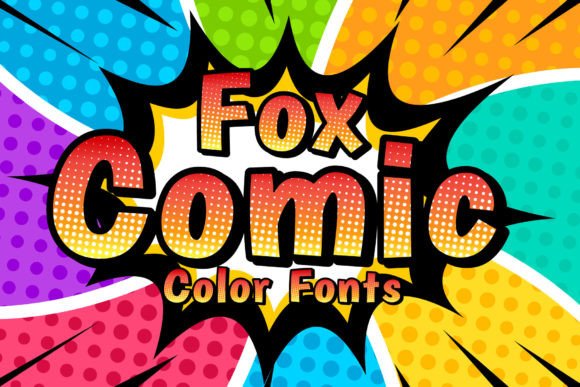
There’s a moment in every design project where you need a headline to do more than just sit there. You need it to lean forward, grab attention, and communicate a feeling instantly. That’s the space where Fox Comic operates. It’s a color font, which means it arrives with built-in hues and texture, transforming plain text into a visual element from the moment you type. This isn't your standard serif font or sans serif font; it’s a display typeface engineered for drama and fun.
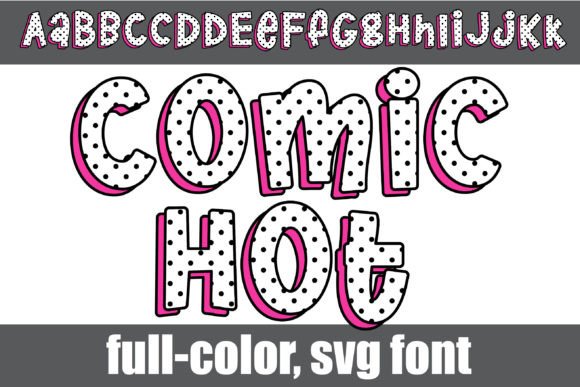
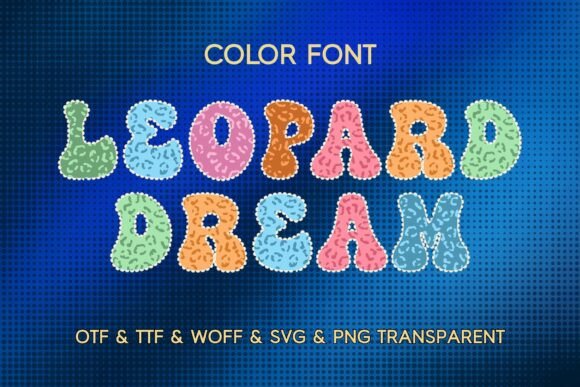
At its core, Fox Comic is a creative font with a hand-drawn, energetic personality. The strokes have a confident, slightly uneven quality that feels human and approachable. Because it’s a color font, the letters often incorporate gradients, shadows, or multi-tone fills that give them a three-dimensional pop. This makes it a standout asset for modern typography, especially when you’re working on projects that need to break through visual noise. It’s the kind of premium font that feels like a secret weapon for designers and content creators who want to inject immediate character into their work.
Where This Display Font Truly Shines
Understanding where to deploy a tool like Fox Comic is key to using it effectively. Its bold, graphic nature means it isn't designed for body text or long-form reading. Instead, it excels as a headline font or for short, punchy phrases that demand focus.
Branding and Logo Design
For entrepreneurs and small business owners, brand identity is everything. If your brand leans into playfulness, creativity, or a youthful energy, Fox Comic can be a cornerstone of your logo design. Imagine a children's party planning service, a creative workshop studio, or a vibrant food truck brand using this font. The built-in color and texture can reduce the need for complex graphic elements, allowing the typography itself to carry the visual weight. It helps create immediate recognition because the font is so distinctive.
Digital and Web Design
On the web, attention spans are short. Using Fox Comic for key web design elements—like a homepage hero banner, a call-to-action button, or section headers—can guide the user’s eye exactly where you want it. It’s particularly effective for landing pages promoting a launch, a sale, or a special event. The font’s inherent energy can create a sense of urgency and excitement that standard web-safe fonts often lack.
Publishing and Editorial Design
Bloggers and publishers know the power of a great featured image. Fox Comic is perfect for creating those eye-catching title graphics for blog posts, YouTube thumbnails, or podcast covers. In editorial design, it can be used for pull quotes or chapter titles in a magazine or book cover, especially in genres like children’s literature, graphic novels, or lifestyle publications where a fun, approachable tone is essential.
Packaging and Product Design
Shelf appeal is a real thing. On packaging design, this font can make a product jump out. Think of snack foods, craft supplies, or boutique cosmetics targeting a younger demographic. The color font can mimic the look of hand-lettered art, giving the package a bespoke, crafted feel without the cost of custom illustration for every word.
Practical Guidance for Using a Color Font
Integrating a font like Fox Comic into your workflow requires a bit of strategy. It’s a powerful design asset, but it needs to be handled with intention to maintain professionalism and readability.
Evaluating Project Fit and Readability
The first step is always to ask: does this font’s personality match the project’s message? Fox Comic screams energy and fun. It would be a mismatch for a serious corporate law firm or a medical practice’s primary branding. However, it could be used by those same industries for a specific internal event or a playful social media campaign. Always test the font at the size you intend to use it. While it’s designed for impact, overly complex color fonts can lose detail when scaled down too small for web or print.
Mastering Font Pairing
A display font like Fox Comic needs a partner. It pairs best with clean, neutral typefaces that won’t compete for attention. A simple sans serif font or a classic serif font for body text creates a necessary visual hierarchy. For example, use Fox Comic for your main headline, then pair it with a font like Open Sans, Lato, or even a simple Georgia for the supporting paragraph. This contrast allows the creative font to do its job without overwhelming the entire design.
Leveraging Included Styles
Many premium fonts come with a family of styles. Check to see if Fox Comic includes variations like a bold weight, an outline, or a version without the color fill (a solid style). These variants are incredibly useful. The solid version might be better for certain print applications or when you need to apply a single brand color. Having options within the same font family ensures consistency while giving you flexibility.
Understanding Commercial Licensing
This is a crucial, often overlooked step. If you are using Fox Comic for a client project, a product you sell, or widespread marketing, you must ensure you have the correct commercial font license. Most fonts, especially high-quality color fonts, require a specific license for commercial use. Review the terms from the foundry or distributor to understand where and how the font can be used. This protects both you and the font creator and is a mark of a professional workflow.
Fox Comic is more than just a set of letters; it’s a design statement. Used thoughtfully, it can elevate social media graphics, strengthen a brand’s visual identity, and make marketing materials more engaging. Its value lies in its ability to convey emotion and energy at a glance. By pairing it wisely, respecting its strengths, and applying it to the right contexts, you can make this creative font a wonderful and effective part of your design toolkit.