Brazil: A Font with Artistic Soul and Vibrant Character
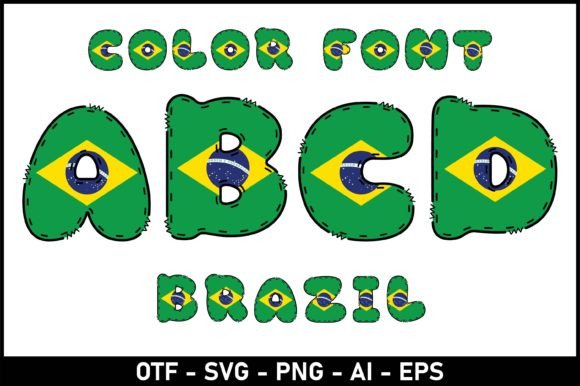
When a design calls for energy, warmth, and a distinctly human touch, the font choice becomes a critical decision. Brazil is a typeface that answers this call with remarkable confidence. It isn't a quiet, neutral workhorse; it's a display font with a strong personality, designed to make an immediate visual impact. Its character is rooted in a blend of modern aesthetics and organic, flowing forms, giving it a versatile yet expressive quality that stands out in a crowded typographic landscape.
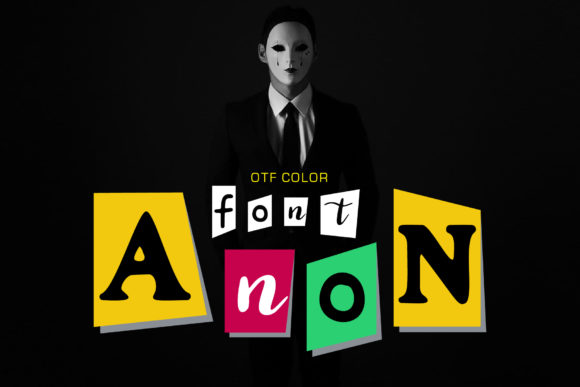
At its core, Brazil is a serif font, but it defies traditional expectations. The serifs are present but often softened or stylized, contributing to a look that feels both sophisticated and approachable. The letterforms themselves feature a mix of sharp, confident angles and gentle, curved strokes. This duality is key to its appeal—it can feel structured and professional in one context, yet playful and artistic in another. The overall visual style suggests movement and creativity, making it a fantastic choice for projects that aim to convey dynamism, culture, or a handcrafted sensibility.
Where Brazil Truly Shines: Practical Applications
Understanding a font's personality is one thing; knowing where to deploy it is where strategy meets artistry. Brazil excels in applications where first impressions and emotional resonance are paramount. In brand identity, it can become the cornerstone for logos, packaging, and headline typography for brands in the food, travel, entertainment, or artisanal goods sectors. Imagine it on the label of a specialty coffee brand or the masthead of a boutique travel magazine—it instantly communicates a story.
For publishing and editorial design, Brazil is a powerhouse for titles, chapter headings, and pull quotes. Its strong presence commands attention on a book cover or a magazine spread, guiding the reader's eye with purpose. In the realm of digital design, it works beautifully for hero sections on websites, impactful social media graphics, and video thumbnails. Its clarity at larger sizes ensures your message isn't lost. For physical projects like packaging design, event invitations, or poster art, the font's artistic flair adds a layer of sophistication and excitement that generic fonts simply cannot provide.
Making Brazil Work for Your Project: A Practical Guide
Choosing a creative font like Brazil requires more than just liking its look. First, evaluate the project's tone. If your brand voice is serious and corporate, Brazil might be too expressive for body copy but could still serve as a dynamic accent in headlines. For brands with a youthful, energetic, or creative voice, it's an excellent fit. Always test it with your actual content—see how it renders your specific words and phrases.
Font pairing is crucial to leveraging Brazil effectively. Because it is a strong display font, it typically pairs best with a clean, highly legible sans serif font or a simple serif font for supporting body text. This creates a clear visual hierarchy where Brazil draws attention and the secondary font ensures comfortable reading. Avoid pairing it with another highly decorative or script font, as this can create visual chaos.
Before finalizing your decision, review the font package thoroughly. Does it include multiple weights (like Bold or Light)? Are there stylistic alternates or ligatures that could enhance your design? This is where a premium font often delivers superior value, offering more tools for customization. Finally, and critically, ensure the licensing aligns with your use—whether for a single client project, unlimited commercial use, or embedding in digital products like apps or e-books. A commercial font license is a legal necessity for professional work.
In practice, using Brazil is about balancing its inherent energy with the project's needs. Use it for headlines where you want to inject personality, but consider a more neutral option for long paragraphs of text. Test its readability on different backgrounds and screens. When used thoughtfully, Brazil does more than just display words; it enhances brand perception, boosts audience engagement, and turns a simple design into a memorable piece of communication. It’s a tool for storytellers, and in the right hands, it helps craft a narrative that is both seen and felt.