Ruler Font: A Creative's Guide to Playful Design
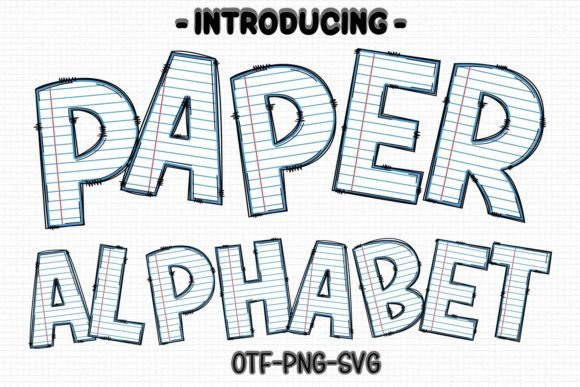
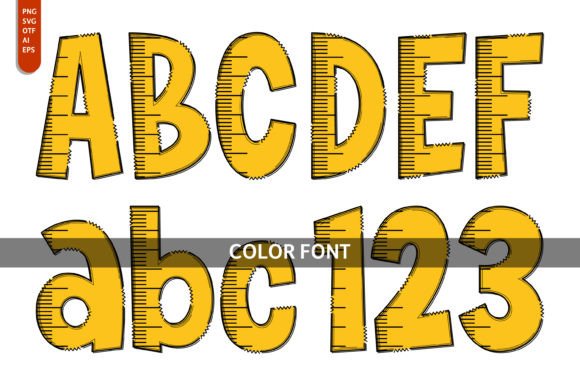
There's a certain energy that jumps off the page when you find a typeface with genuine personality. It’s more than just letters; it’s a voice. This is exactly what you get with Ruler, a creative font that doesn’t just sit quietly on a design—it performs. In a world saturated with minimalist sans serifs and classic serifs, Ruler offers a refreshing burst of character. Its hand-drawn, slightly irregular letterforms give it an immediate sense of warmth and approachability, making it a standout choice for projects that need to feel human, fun, and authentic.
Capturing the Right Vibe: Where Ruler Truly Shines
Understanding a font's personality is key to using it effectively. Ruler is not the typeface for a corporate law firm's annual report or a dense academic textbook. Its strength lies in its ability to convey a playful, artistic, and approachable feel. This makes it a perfect fit for a specific range of creative applications where personality is paramount.
- Children's Books and Educational Materials: The whimsical nature of Ruler makes it an obvious choice for titles and headlines in children’s literature. It feels fun and engaging without sacrificing legibility, capturing the imagination of young readers and their parents.
- Event Invitations and Greeting Cards: For wedding invitations with a rustic theme, birthday party invites, or charming holiday cards, Ruler adds a personal, handcrafted touch that pre-installed system fonts can't replicate.
- Posters and Flyers: Need to grab attention for a local festival, a craft fair, or a workshop? Ruler’s distinct character helps posters stand out from the crowd, communicating a sense of fun and creativity instantly.
- Branding for Small Businesses: Artisan bakeries, craft shops, boutique studios, and creative consultants can use Ruler to build a brand identity that feels genuine and approachable. It tells customers that the business is creative and values a personal touch.
- Packaging Design: On product labels for handmade soaps, gourmet snacks, or specialty goods, Ruler helps create a shelf presence that feels authentic and high-quality, suggesting the product inside is made with care.
From Idea to Execution: Practical Tips for Using Ruler
Choosing a font is just the first step. To truly integrate a typeface like Ruler into your work, you need to think about pairing, hierarchy, and readability. As a premium font, it’s a valuable design asset, and using it correctly will elevate your projects.
Mastering Font Pairing
A display font like Ruler is fantastic for headlines, but it can become overwhelming in long blocks of text. The key is to pair it with a simpler, more neutral companion. A clean sans serif font is often the perfect partner. Think of fonts like Montserrat, Lato, or Open Sans for body copy. This contrast creates a clear visual hierarchy, allowing Ruler’s personality to shine in headlines while the sans serif ensures the main message remains easy to read. Avoid pairing it with another decorative script font or an overly ornate serif font, as this can create visual clutter and confuse the reader.
Ensuring Readability and Hierarchy
Because of its unique, handwritten font style, Ruler is best used at larger sizes. This allows its charming details to be appreciated. Use it for H1, H2, and H3 headings, logos, pull quotes, or short, impactful statements. For paragraphs, captions, and other body text, always opt for a highly legible sans serif font or a classic serif font. This structure guides the reader's eye naturally through your design, whether it's a website layout, a magazine spread, or a social media graphic.
Understanding Its Technical Nature
One crucial detail to note: Ruler is a color font, specifically an OpenType-SVG font. This means the font file itself contains rich, multi-color data, giving it a vibrant, textured appearance right out of the box. This is what makes it so visually dynamic.
However, this technology comes with compatibility considerations. Ruler works beautifully in modern design software like PhotoShop, Illustrator, and Inkscape. It’s also compatible with Silhouette machines. For crafters and hobbyists, it’s important to know that the OTF and TTF files are not compatible with Cricut Design Space. If you primarily use a Cricut machine for your projects, this is a critical factor. For a deeper dive into working with color fonts, checking a resource like the Ultimate Font Guide can provide invaluable step-by-step assistance.
Evaluating Ruler for Your Next Project
Before committing to a font, it’s wise to do a quick evaluation. Ask yourself these questions to see if Ruler is the right creative font for your needs:
- What is the project's tone? If the goal is to be serious, formal, or ultra-minimalist, Ruler is likely not the best fit. If the project calls for warmth, creativity, and a touch of whimsy, it’s a strong contender.
- Who is the audience? This font resonates well with audiences who appreciate craftsmanship and a personal touch. It’s excellent for B2C brands, creative communities, and family-oriented content.
- How will it be used? Plan its role carefully. Will it be the star of a logo design, or a supporting player in a set of social media graphics? Its role will determine the size, color, and placement.
- Does it align with my brand identity? If your brand identity is built around being quirky, artistic, and friendly, Ruler could become a cornerstone of your visual language. If your brand is more about sleek efficiency, you might want to explore other options.
Ultimately, a great typeface is one that serves the message. Ruler offers a unique voice that can bring a design to life, making it feel more personal and memorable. By understanding its strengths and using it thoughtfully, you can leverage this modern typography