Paper Color: A Playful Display Font for Creative Projects
Finding the right typeface for a project aimed at children or families can feel like searching for a specific crayon in a big, messy box. You need something that feels friendly, authentic, and visually engaging without looking amateurish. This is where Paper Color steps in. It is a premium font designed specifically to bridge the gap between professional typography and the whimsical nature of childhood. If you are a designer, entrepreneur, or content creator looking for a typeface that radiates joy, Paper Color might be the missing piece in your design assets library.
The Visual Personality of a Chunky Display Font
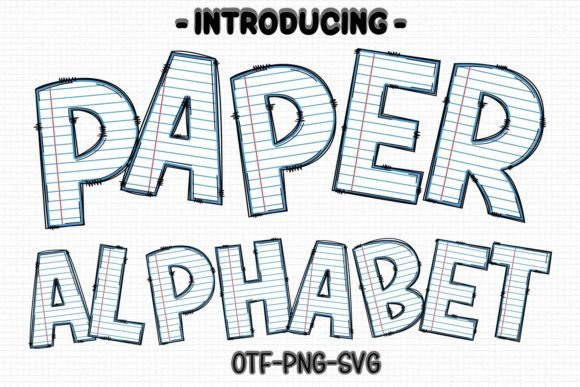
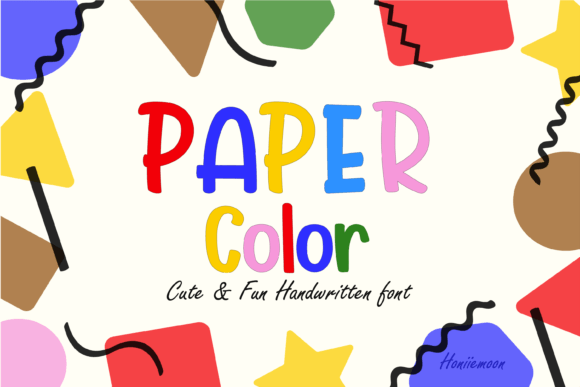
At its core, Paper Color is a display font. This means it is crafted for impact rather than long-form reading. You wouldn't use this typeface for a blog post body text, but you absolutely would use it for headlines that need to grab attention immediately. The defining characteristic of Paper Color is its chunky, rounded letterforms. The characters feel substantial and tactile, almost as if they were cut out of construction paper or molded from soft clay.
The visual style embraces imperfection in a calculated way. Unlike rigid sans serif font families used in corporate settings, Paper Color has a handmade quality. It possesses a "bouncy" baseline where letters sit at slightly different heights, creating a natural rhythm that mimics handwriting. This specific style is often categorized as a handwritten font or a creative font because it carries the warmth of human touch. It avoids the sharp edges of a serif font, opting instead for soft terminals and wide counters that make the letters feel open and inviting.
The personality of this typeface is undeniably playful and authentic. It doesn't try to be overly polished or sleek. Instead, it leans into a "school project" vibe, but with the technical precision of a premium font. This balance is crucial. A font that is too messy looks unprofessional; a font that is too sterile lacks the emotional connection needed for children's activities. Paper Color sits right in the sweet spot, offering a modern typography solution that feels both fresh and familiar.
Strategic Applications: Where Paper Color Shines
Understanding where to deploy a display font like Paper Color is key to effective design. Its utility spans across various industries, particularly those focused on youth, education, and casual lifestyle branding.
Branding and Logo Design
For businesses targeting parents, children, or educational markets, logo design is the first place to consider Paper Color. A daycare center, a private tutoring service, a kids' clothing line, or a toy store needs a visual identity that says "safe" and "fun" immediately. Paper Color serves this need perfectly. It creates a brand identity that feels approachable. When used in a logo, the chunky letters ensure high legibility even at small sizes or on moving objects, like the side of a delivery van or a favicon on a browser tab.
Publishing and Editorial Design
In editorial design, contrast is everything. If you are designing a children's book cover, a magazine for young parents, or a school yearbook, Paper Color can act as the primary headline typeface. It pairs exceptionally well with a clean, geometric sans serif font for body text. For example, using Paper Color for chapter titles in an activity book creates a sense of excitement and anticipation for the young reader. It transforms the page layout from a static document into an interactive experience.
Digital and Web Design
The digital space often suffers from sterile uniformity. Web design for pediatric clinics, summer camps, or educational apps can benefit greatly from the warmth of Paper Color. It works best for hero section headers, call-to-action buttons, and error messages that need to be friendly rather than alarming. Because it is a creative font, it helps reduce the "bounce rate" by making the user interface feel less intimidating. However, designers must ensure the font is optimized for web use to maintain fast loading times.
Marketing and Social Media
On platforms like Instagram or Pinterest, visual hierarchy is established in milliseconds. Social media graphics using Paper Color stand out in a feed dominated by minimalist sans-serifs and elegant scripts. The thick strokes of the font make it perfect for overlaying text on images because it remains readable even against busy backgrounds. Whether you are promoting a back-to-school sale or sharing a parenting tip, the font adds a layer of personality that a standard script font might not achieve with the same level of legibility.
Practical Guidance for Implementation
Adopting a new typeface requires more than just liking how it looks. It requires a strategic approach to ensure it fits the project's goals and technical requirements.
Evaluating Project Fit
Before committing to Paper Color, ask yourself about the tone of your project. Is the goal to be authoritative and serious? If so, this font is likely the wrong choice. A law firm or a medical journal should stick to traditional serif or sans-serif families. However, if the goal is to be energetic, youthful, and welcoming, Paper Color is a strong contender. It is ideal for packaging design for candy, snacks, or children's toys, where the shelf presence needs to be loud and colorful.
Testing Font Pairings
No font is an island. Font pairing is the art of combining typefaces to create contrast and hierarchy. Because Paper Color is a display font with high personality, it requires a "quiet" partner.
- With Sans Serifs: Pairing Paper Color with a neutral sans-serif like Roboto, Open Sans, or Lato creates a balanced look. The display font grabs attention for the headline, while the sans-serif provides a comfortable reading experience for the details.
- Avoiding Clash: Do not pair Paper Color with another highly stylized font, such as a complex script font or a decorative serif. This creates visual noise and makes the design look cluttered. The goal is harmony, not competition.
Technical Considerations: Styles and Licensing
When you invest in a premium font, you are paying for versatility and legal security. Check to see what styles are included with Paper Color. Does it come with a bold weight? Does it include italics? Having multiple weights allows you to create more nuanced visual hierarchy without introducing a second typeface.
Furthermore, understand the licensing. If you are a small business owner or entrepreneur, you need to know if the license covers commercial use. Most reputable font foundries offer different licenses for desktop use (logos, print), web use (CSS embedding), and app use. Ensure your usage aligns with the license to avoid legal issues down the road.
Readability and Accessibility
While Paper Color is designed for clarity, its playful nature means it has lower contrast than a standard text font. It is not suitable for small body copy (12px or lower). Use it for large headlines and short bursts of text. When using it on the web, pay attention to color contrast. Because the letters are chunky, they generally have good legibility, but pairing light yellow text on a white background will fail accessibility standards regardless of the font chosen. Always test your designs on different screen sizes to ensure the "personality" of the font translates well to mobile devices.
Conclusion
Paper Color is more than just a collection of letters; it is a tool for injecting life into your designs. For designers, marketers, and creators working within the children's niche, it offers a perfect blend of professionalism and playfulness. By understanding its visual characteristics and applying it strategically across your brand identity, web design, and print materials, you can create a cohesive and engaging experience for your audience. It is a reminder that sometimes, the best way to be taken seriously is to not take yourself too seriously.