Embrace the Rugged Charm of The Big Rock Font
A Typeface with Real Weight and Texture
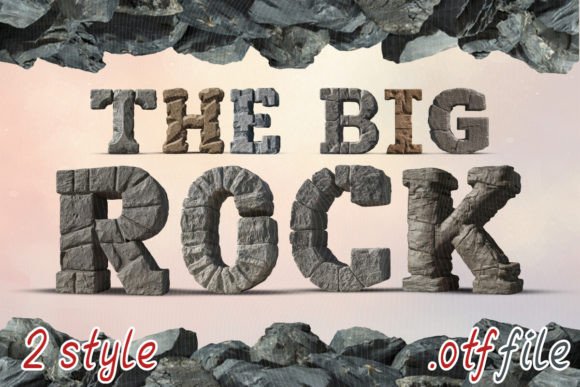
When you first encounter The Big Rock, it doesn't whisper—it makes a statement. This is a typeface that carries the visual heft of actual stone, with a textured, granular surface that feels almost tangible on screen. Unlike smooth, polished display fonts that prioritize sleekness, The Big Rock embraces imperfection as part of its character. Each letterform has subtle variations in its texture, mimicking the natural erosion and roughness you'd find on a mountainside or a weathered boulder. It's a premium font that doesn't try to be delicate. Instead, it leans into a heavy, grounded aesthetic that communicates durability and permanence.
What makes this typeface genuinely interesting is how it bridges the gap between raw nature and modern typography. The letter shapes themselves are bold and structured—there's a clear serif font influence in some of its forms—but the applied texture gives it an organic, almost hand-carved quality. It reads as strong without being aggressive, rugged without being unreadable. For designers who've grown tired of overly minimalist sans serif font options and want something that feels more tactile and alive, The Big Rock offers a compelling alternative.
Where This Font Truly Shines
Not every project calls for a font that looks like it was hewn from granite, and that's worth acknowledging upfront. The Big Rock is a display font at heart, which means it's built for headlines, logos, hero sections, and moments where you need visual impact over extended reading. Think about the contexts where strength, adventure, and authenticity matter most. Outdoor brands, hiking gear companies, craft breweries with a rugged identity, adventure travel blogs, fitness studios that emphasize raw power—these are the spaces where this typeface feels immediately at home.
It also works surprisingly well in packaging design, especially for products that want to convey artisanal quality or natural ingredients. Picture a coffee bag with "Single Origin" set in The Big Rock, or a hot sauce label where the brand name feels like it's been chiseled into the bottle. The texture adds a layer of perceived authenticity that smooth fonts simply can't replicate. For social media graphics, particularly Instagram posts or Pinterest pins promoting outdoor content, camping gear, or motivational fitness messaging, this font grabs attention in a crowded feed because it looks fundamentally different from the sea of clean sans serif font choices most creators default to.
Editorial design is another area worth exploring. Magazine covers, book titles, or event posters for outdoor festivals and adventure races benefit from this kind of visual personality. If you're working on a brand identity for a company that wants to project stability, resilience, and a connection to the natural world, The Big Rock can anchor the entire visual system. It sets a tone before anyone reads a single word of copy.
What to Know Before You Start Working With It
Here's where practical considerations matter. The Big Rock is a color font built on OpenType-SVG technology, which means it carries actual color and texture data within the font file itself. This is what gives it that rich, dimensional appearance—but it also means compatibility is something you need to check before committing. The font works in Photoshop, Illustrator, Silhouette, and Inkscape. If you're a Cricut user, the standard OTF and TTF files won't work with your machine, which is an important detail for crafters to know upfront. The product page directs you to an Ultimate Font Guide for usage specifics, and it's worth reading that before diving in.
When evaluating whether The Big Rock fits your project, start by testing it at the actual size you'll be using. Display fonts often look dramatically different at 72 points on a poster versus 18 points on a website header. The texture that makes this typeface special can become muddy or lost at smaller sizes, so always preview at intended scale. If you're pairing it with other fonts—which you almost certainly should for body copy—look for something clean and understated. A simple sans serif font with generous spacing creates a natural contrast that lets The Big Rock command attention without the layout feeling chaotic. A classic serif font can also work if your project leans editorial, but avoid pairing it with other textured or handwritten font options, as competing surfaces create visual noise rather than hierarchy.
Think carefully about color usage too. Because The Big Rock already contains built-in color and texture, layering it over busy backgrounds or highly saturated images can reduce its impact. It tends to perform best against clean, solid backgrounds where the letterform detail can breathe. Dark backgrounds often make the texture pop, while light backgrounds give it a more subtle, engraved appearance.
Building a Brand Around Strength and Authenticity
For entrepreneurs and small business owners developing a brand identity, font choice sends subconscious signals to your audience before they process a single word. The Big Rock communicates reliability, endurance, and a no-nonsense attitude. If your brand story involves craftsmanship, outdoor adventure, physical strength, or a deep connection to natural landscapes, this typeface reinforces that narrative visually. It's not trying to be trendy or fleeting—it feels timeless in the way that actual geological formations do.
That said, be honest about whether it serves your specific audience. A yoga studio emphasizing gentle restoration might find it too heavy. A tech startup focused on innovation might feel it's too rustic. Font selection is ultimately about alignment between visual language and brand values, not personal preference alone. When The Big Rock is the right fit, though, it becomes one of those design assets that genuinely elevates everything it touches—from logo design to web headers to printed merchandise. It gives your visual communication a grounded, memorable quality that generic creative font choices struggle to achieve.
Take the time to explore its full character set, test it across your key applications, and see how it holds up in real-world contexts. A great font doesn't just look good in a preview—it works hard across every touchpoint where your brand shows up.